Automatic Door Repair vs. Replacement: How to Decide
When an automatic door fails for the third time in a year, the question shifts from "can we fix it?" to "should we keep fixing it?" Repairing is usually faster and cheaper today; replacing costs more up front but can be the better value over time. Here is a practical way to decide, using the same factors our technicians weigh when a client asks for an honest recommendation.
A quick rule of thumb
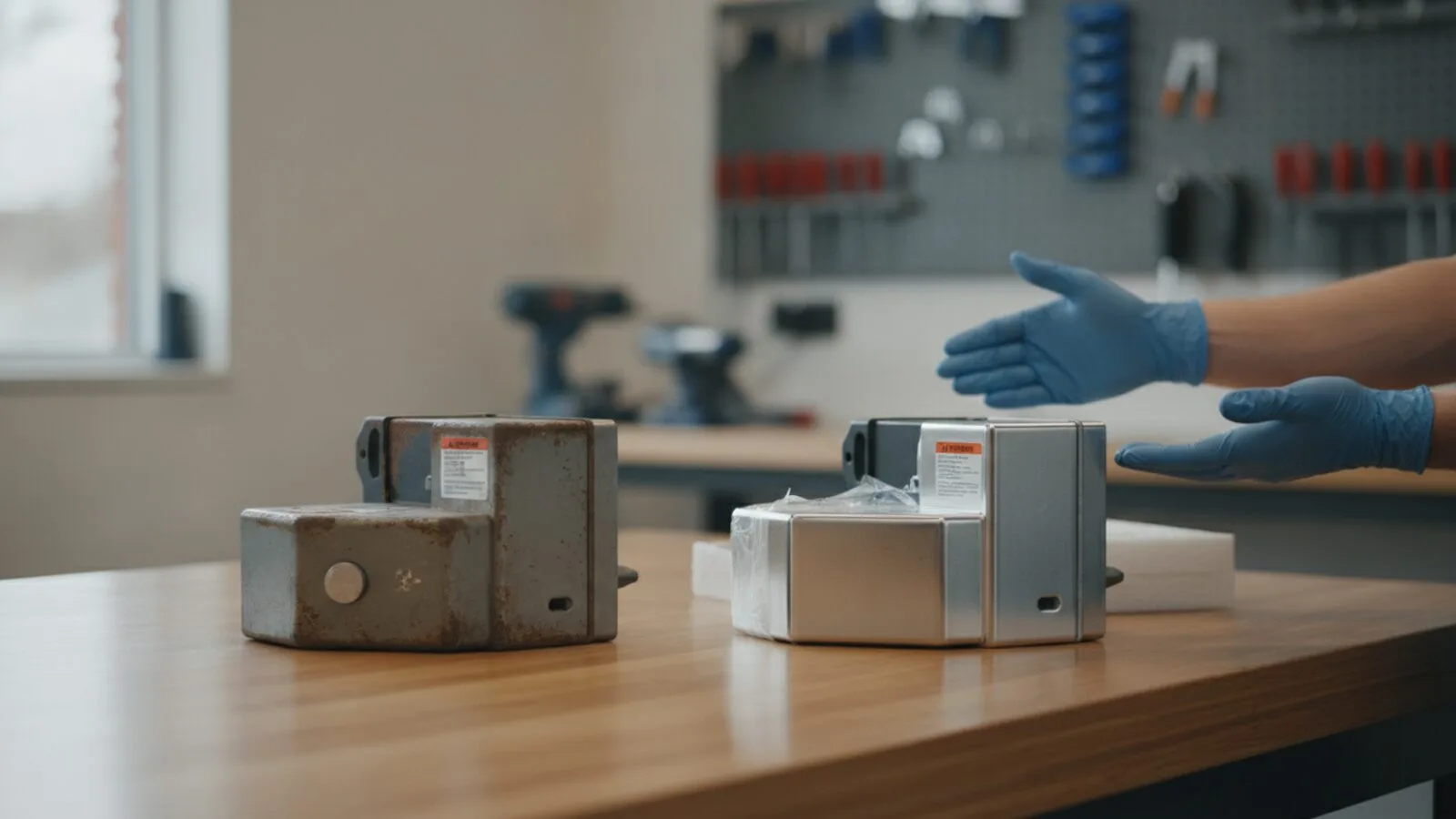
If a single, well-defined part has failed on an otherwise sound door that is not too old, repair almost always wins. If the door is aged, breaking down repeatedly, hard to source parts for, or no longer meeting current safety and accessibility expectations, replacement starts to make sense. The classic tipping point is when the cost of the next repair approaches roughly half the cost of a new operator — or when you have paid for several repairs in a short span. A reliable repair on the right door is money well spent; repeated repairs on the wrong one are throwing good money after bad.
When repair is the right call
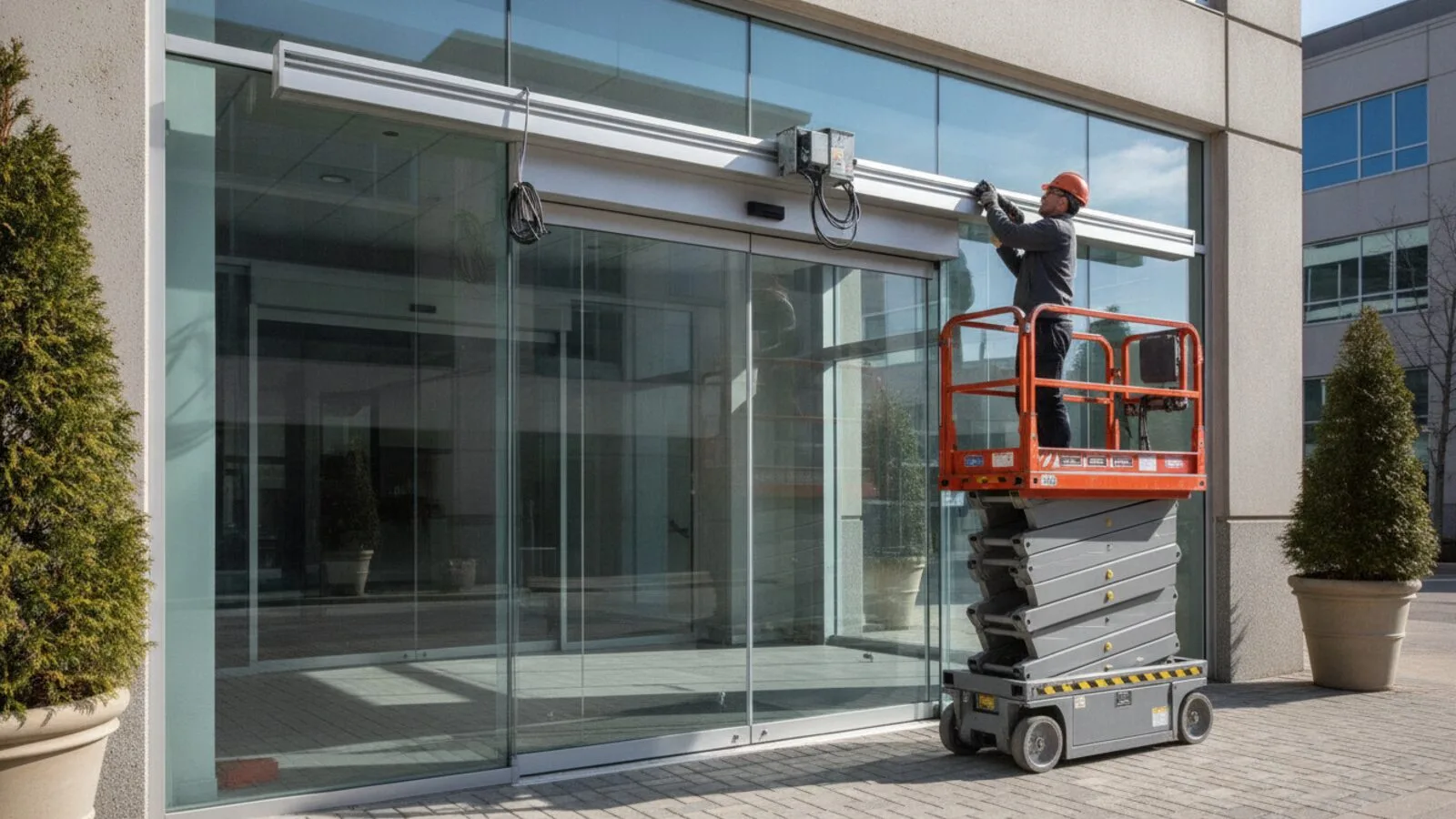
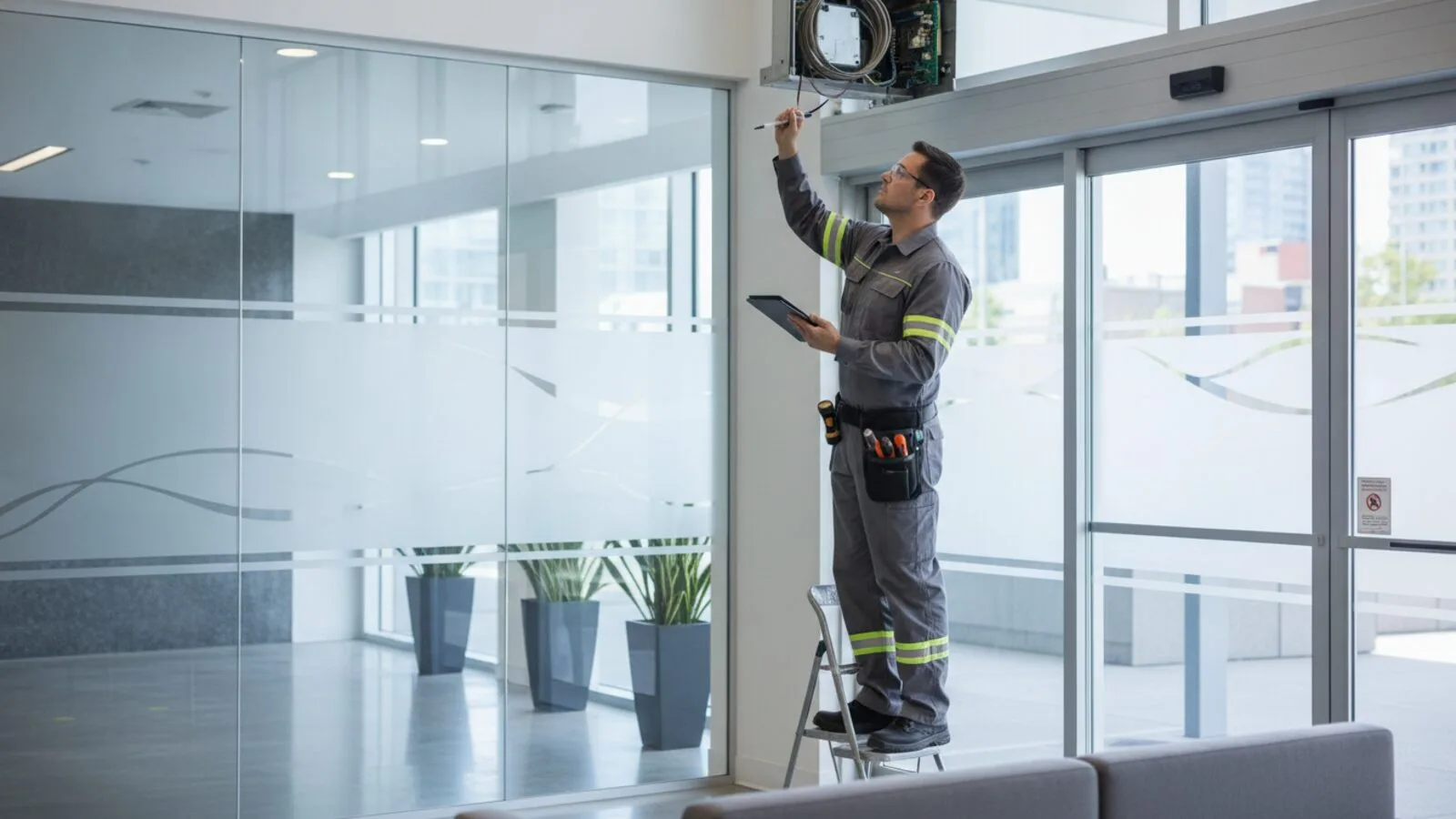
Lean toward repair when the door is relatively young and structurally sound, the fault is a specific component — a sensor, a roller, a belt, an activation switch, or a control board — and replacement parts for your operator are readily available. A door that has been well maintained and has a clean service history is usually worth repairing. So is one where the body, frame and panels are in good condition and only the operator hardware needs attention. In most of these cases a same-day repair gets you running again at a fraction of replacement cost.
When replacement makes more sense
Replacement moves ahead when several of these are true: the operator is well past its expected service life; you are seeing frequent, varied breakdowns rather than one recurring fault; parts are discontinued or have long lead times; the unit cannot meet current safety standards (for example, it no longer reliably reverses on an obstruction) or current Ontario accessibility expectations; or the door is so inefficient that it is costing you in heating and cooling. A modern operator is also quieter, more energy-efficient, and easier to keep compliant — real benefits on a high-traffic entrance. When you do replace, our automatic door installation and accessible operator services cover the full job.
The factors to weigh
- Age and service life. Commercial operators have a finite lifespan. Near or past it, the odds of further failures climb.
- Repair frequency. One fix in five years is normal wear; three fixes in one year is a pattern that rarely ends.
- Parts availability. Discontinued boards and obsolete hardware mean longer downtime and higher prices on every future repair.
- Safety and code. A door that cannot meet current safety behaviour is a liability, not just an inconvenience.
- Accessibility. An entrance that no longer serves wheelchair and mobility-device users properly may need upgrading regardless of mechanical condition.
- Total cost of ownership. Add up recent repairs, likely future repairs, downtime and energy loss — then compare against a new unit's price and efficiency.
A simple decision checklist
Ask yourself: Is the door under roughly ten years old and otherwise sound? Is this a single, identifiable fault? Are parts available? Has it been reliable until now? If you are answering "yes," repair. If you are answering "no" to several — especially on age, repeat failures and parts — get a replacement quote and compare. The honest answer often becomes obvious once the numbers are side by side, and staying on a regular maintenance schedule is what keeps a repairable door repairable. For a sense of replacement budgets, see our guide to automatic door operator costs in Canada.
Not sure which way to go? That is exactly the kind of call our technicians give straight across Toronto and the GTA — we will tell you when a repair is the smart money and when it is time to replace. Request an assessment and we will give you a clear recommendation and an upfront quote.
Frequently asked questions
At what point is repairing an automatic door no longer worth it?
A common guideline is the half-cost rule: when the next repair approaches about half the price of a new operator, or when you have paid for several repairs in a single year, replacement usually delivers better value. Age, parts availability and whether the door still meets safety and accessibility standards all weigh into the decision too.
How long does a commercial automatic door operator last?
With regular maintenance, a quality commercial operator typically gives many years of service, but high-traffic and harsh-environment doors wear faster. Once a unit is past its expected service life and breaking down repeatedly, the economics tend to favour replacement.
Can you replace just the operator and keep the existing door?
Often, yes. If the door body, frame and panels are sound, upgrading only the operator and its sensors and controls can modernise the entrance at lower cost than a full replacement. A technician can confirm whether your existing door is a good candidate during an assessment.
Door trouble, or planning an upgrade?
Talk to a technician about same-day service and upfront quotes across Toronto & the Greater Toronto Area.